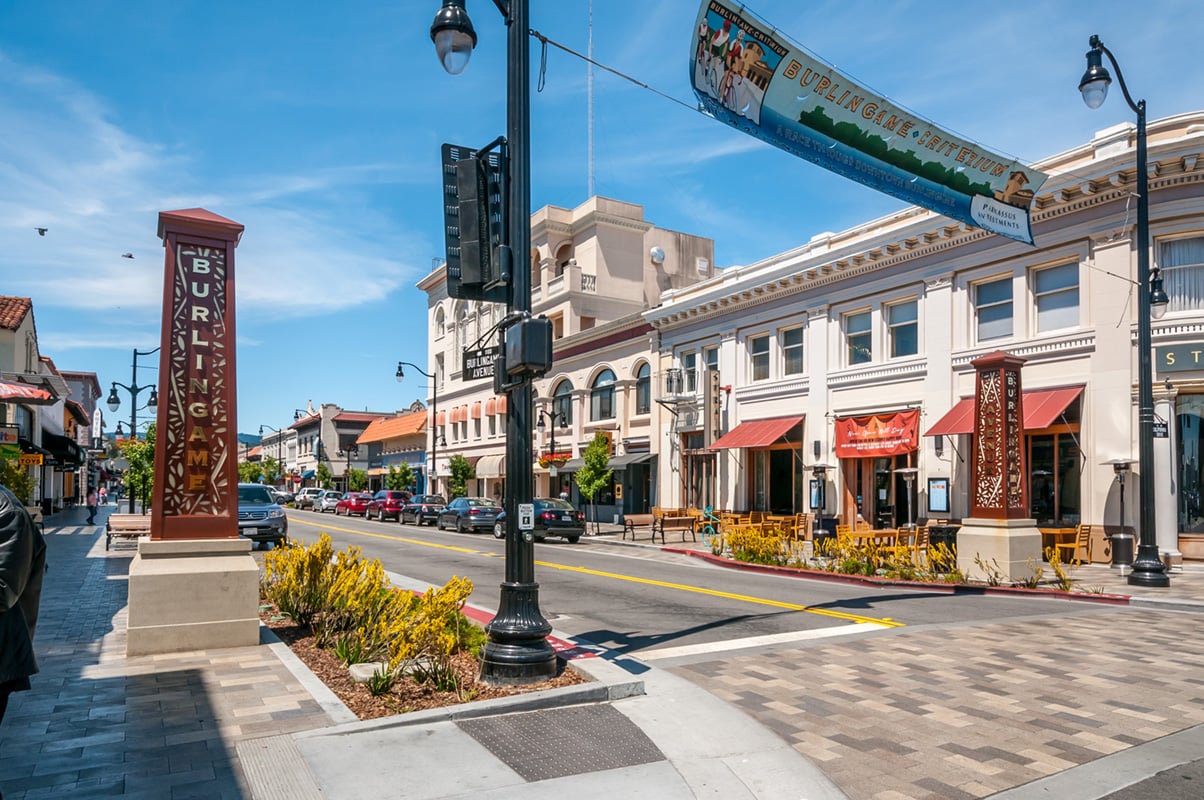
If you're living in San Francisco and you've started wondering whether the move makes sense, you're not alone. In 2025 and into 2026, one of the most common conversations I have is with SF renters and condo owners who are quietly running the numbers, comparing zip codes, and asking the same question: what would life actually look like if I moved to the Peninsula? This guide answers that question. Not as a sales pitch for leaving the city, but as a practical breakdown of what the move involves, what you gain, what you give up, and how to do it well if you decide it's right for you. I was born and raised in Burlingame. I've sold homes across the full Bay Area corridor, from Pacific Heights to Palo Alto to the South Bay for over 20 years. I know both sides of this move better than almost anyone. Let's get into it.
The decision to leave SF isn't usually one thing. It's four or five things that pile up at the same time.
Here's a straightforward comparison across the metrics that matter most to buyers making this move.
The headline number is that San Francisco is "cheaper" which disappears when you factor in what you get per dollar. A $1.65M an SF single-family home is often a Victorian with deferred maintenance, 1,400 square feet, and a 2-car tandem garage. A $1.85M Burlingame home is typically 1,800–2,100 square feet, renovated, with a real garage and a usable backyard.
Source: MLS data, Q4 2025 — Q1 2026 averages. Consult your agent for current listings.
Both are in California, so Prop 13 applies equally. Your property tax rate will be approximately 1.1–1.25% of your purchase price regardless of which side of the county line you're on. The difference is your purchase price because on the Peninsula, you may pay slightly more upfront for significantly more home.
This is where SF condos often catch buyers off guard. Many San Francisco condo buildings carry HOA fees of $600–$1,200/month and sometimes higher for doorman buildings or new construction. Peninsula condos and townhomes typically run $500–$900/month. Single-family homes on the Peninsula usually have no HOA at all.
I'll be direct here because this is the question I get most often: Peninsula public schools are, on average, significantly better-rated than San Francisco Unified School District. Burlingame School District and the Burlingame High School feeder system consistently perform in the top 10–15% of California schools by academic achievement. San Mateo Union High School District is similarly ranked.
What this means practically:
No lottery. You live in the district, your kids go to the local school. That's it.
Consistency. You can plan around a known school rather than hoping the lottery delivers.
Community. Your neighbors' kids go to the same school. This changes the social fabric of a neighborhood in ways that are hard to quantify but easy to feel.
For SF families considering the move, the school question is often the deciding one. When I ask clients what finally tipped them toward the Peninsula, more than half say: "We have a two-year-old and we didn't want to deal with SFUSD."
Let me give you the actual numbers, not the optimistic version.
This is the comparison most SF buyers ask me to run. Here's what these budgets realistically get you in 2026.
In San Francisco: A 2-bedroom, 2-bath condo in Noe Valley or Cole Valley. Approximately 1,100 square feet. Underground parking, possibly. HOA fees of $600–$900/month. No yard.
In San Francisco: A 3-bedroom single-family home in Noe Valley, Glen Park, or Bernal Heights. Good size, possible yard. Strong neighborhood, but SF pricing is fully reflected.
In Burlingame: A renovated 4-bedroom home in Lyon Hoag, Burlingame Village, Ray Park, Burlingame Gardens, or other neighborhoods. 2,000–2,400 square feet, great schools, turnkey condition. Potentially with an ADU.
In Hillsborough: Entry-level Hillsborough home with gated feel, estate lots, top schools, serene. Not a condo in sight.
In San Mateo (Baywood or Beresford): Spacious, renovated, single-story options possible. Excellent for buyers who want more square footage per dollar.
Best for: Families with school-age children, buyers who want a "real town" feel, people who commute both north (SF) and south (South Bay). Burlingame has a genuine downtown with Broadway and Burlingame Avenue which both have excellent restaurants, boutiques, and coffee shops within walking distance of residential neighborhoods. The school district is excellent. The community is tight-knit. And it sits almost exactly halfway between SF and Palo Alto, making it the best commute hub on the Peninsula.
Best for: Buyers who want more value per dollar, downtown walkability, and a diverse, active community. San Mateo's downtown is one of the most underrated in the Bay Area. Third Avenue has a remarkable concentration of excellent restaurants for a suburb of its size. Caltrain stops right downtown. Prices run 10–15% below Burlingame for comparable homes.
Best for: Caltrain and BART commuters, buyers who want Burlingame quality at a slight discount, frequent flyers. Millbrae sits at the intersection of Caltrain and BART and is the only station in the system where the two connect directly. If you commute to San Francisco by train and occasionally fly (SFO is 5 minutes away), Millbrae is logistically unbeatable.
Best for: Young families, buyers who want a neighborhood with strong community identity and slightly lower price points. San Carlos calls itself "The City of Good Living" and means it. Excellent elementary schools, a walkable downtown, and home prices that run 10–20% below Burlingame. It has a fiercely loyal local following for good reason.
Best for: Buyers who want hills, views, and more land for their money. Belmont sits on the hillside above the 101 corridor and offers more lot size and topographic drama than the flatland Peninsula cities. Less walkable, but dramatically more spacious. Good school district, slightly quieter community feel.
Before you fall in love with a Burlingame listing, make sure you've accounted for:
Transfer taxes. San Mateo County has a lower documentary transfer tax than San Francisco. On a $2M purchase: SF charges approximately $15,000 in transfer taxes; San Mateo County charges approximately $2,200. This is a meaningful difference that many buyers miss.
Earthquake insurance. Both markets are in seismic zones, but insurance underwriters treat Peninsula single-family homes differently than SF condos (which often have master policies). Budget $1,500–$3,000/year for standalone earthquake coverage on a Peninsula SFH.
Cars. You will almost certainly become a two-car household if you aren't already. Factor in a second car purchase and insurance if applicable.
The "eating out" reset. Peninsula restaurants are excellent but rarely as concentrated as SF. If you currently walk to dinner five nights a week, your routine will change.
6–9 months before your target move date: Start visiting open houses on the Peninsula. Not to buy but rather to educate your eye. What does $2M feel like in Burlingame versus San Mateo versus Millbrae? You need about 20 open houses before your instincts become reliable.
4–6 months out: Get fully pre-approved (not just pre-qualified) with a lender who does Peninsula purchases regularly. The pre-approval letter you'll need here is different from what SF condo buyers are used to. A single-family home underwriting is more complex.
3–4 months out: List your SF property if you're selling. Simultaneous sell-and-buy is the hardest version of this transaction. Talk to your agent about bridge loans, contingent offers, and timing strategies. This is where an agent who knows both sides of the corridor saves you serious money and stress.
1–2 months out: Make offers. Expect to lose a few. Peninsula inventory moves fast and good homes at the $1.8M–$2.5M price point often see multiple offers within the first weekend. Your agent's ability to write a competitive offer and communicate with the listing agent is the difference between getting the house and not.
Is now a good time to make this move? The Peninsula market in 2026 is more balanced than it was in 2021–2022. Interest rates have stabilized. Inventory is modestly higher than the pandemic lows. You're not competing with 15 offers anymore, instead you may see 3–6 on a good property. It's still competitive, but it's navigable.
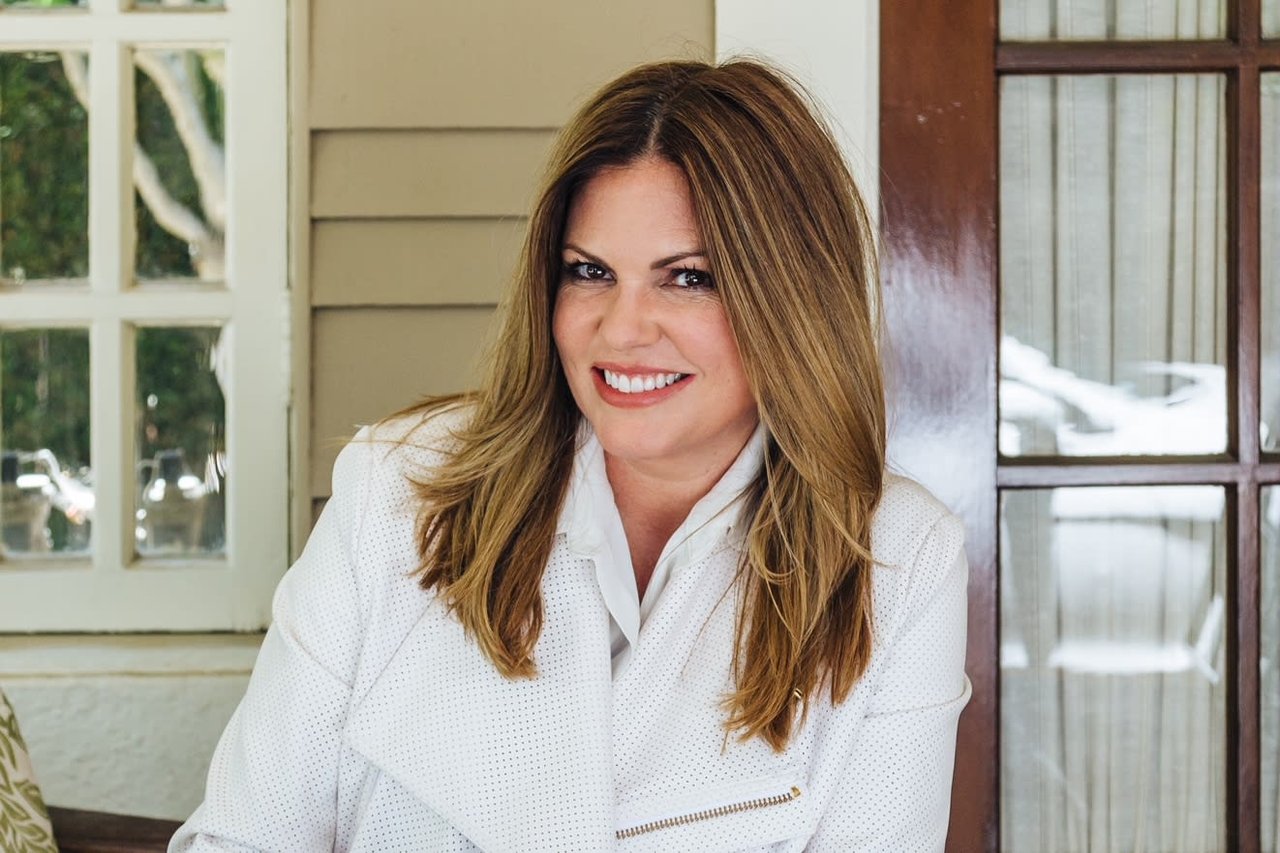
If you're seriously considering this move, the best next step is a conversation, not a contact form. I talk through the math, the timing, and the neighborhood fit with every client before we ever look at a listing. I've been doing this on the Peninsula for over 20 years. I know which blocks flood, which school feeder paths matter, which neighborhoods are appreciating fastest, and how to structure an offer that wins.
Jacklyn O'Connor Friedland Compass | Burlingame, CA 📞 (650) 766-0791 🌐 jacklynfriedland.com CA DRE# 01726418
Serving San Francisco, San Bruno, Burlingame, San Mateo, Millbrae, Hillsborough, San Carlos, Belmont, and the full Bay Area corridor from SF to San Jose.
This article is for informational purposes only. Market data reflects available MLS information and is subject to change. Contact a licensed real estate agent for current pricing and availability.
As a trusted Realtor to the San Francisco 49ers and Oakland Raiders organizations, her expertise handling housing for a long list of professional athletes and coaches is proven and trusted.
Let's ConnectBuying, selling, or relocating to the Bay Area? From early access to new listings to expert guidance on pricing and marketing your home, I cover the full corridor from San Francisco, through the Peninsula and Silicon Valley, down to San Jose.
Compass
988 Howard Ave., Suite 300, Burlingame, CA 94010 CA DRE# 01726418